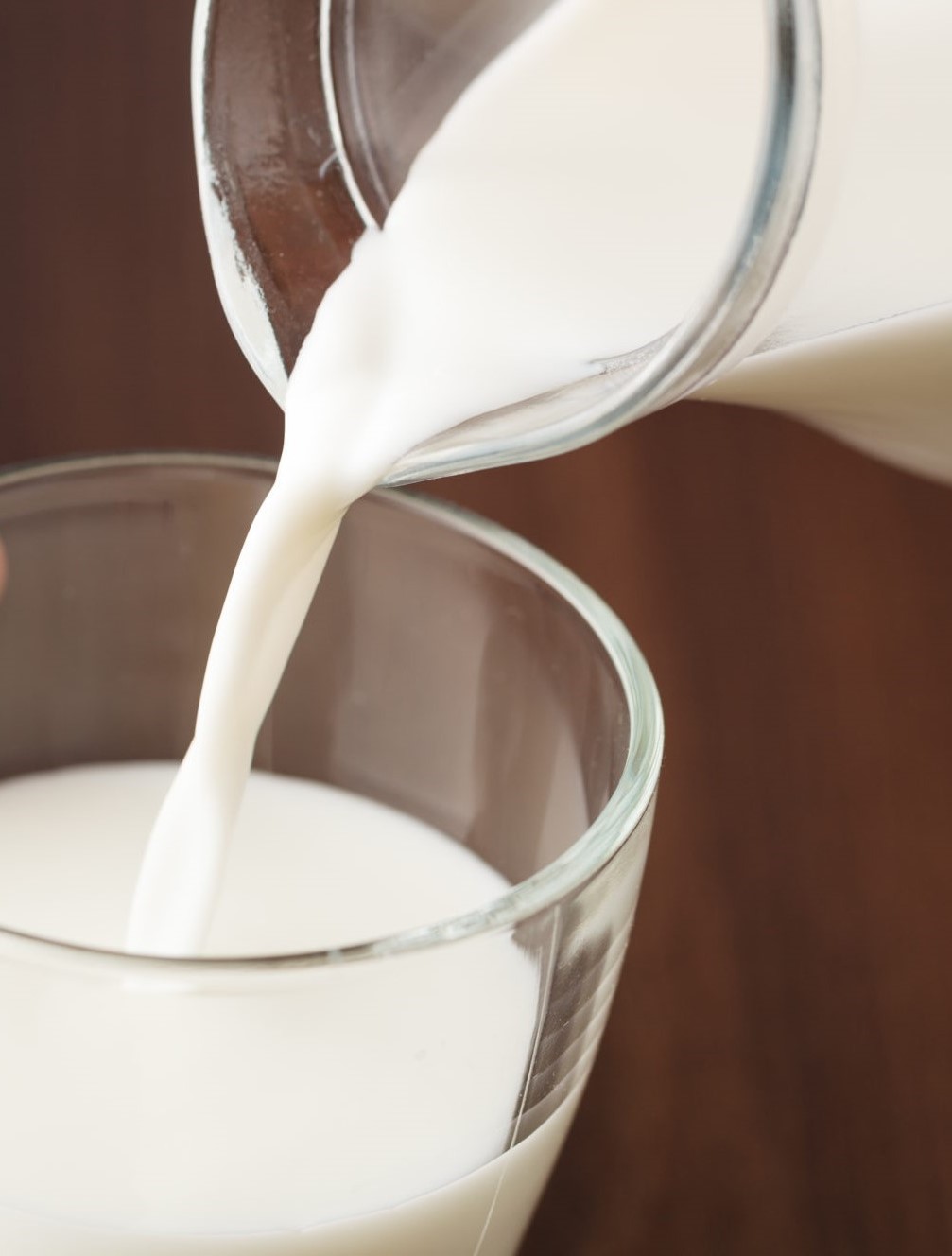
Lactose is known as a naturally occurring sugar in milk and products derived milk such as cow’s milk, goat’s milk, yogurt, cheese and ice cream. It can also be an ingredient in foods and beverages like bread, cereal, lunchmeats, salad dressings and mixes for baked goods.
As a disaccharide consisting of glucose and galactose, lactose acts as an energy-carrier in milk and a variety of other health benefits including:
*Lactose increases the absorption of certain minerals including calcium, magnesium and zinc.
*Its impact is minimal on tooth decay compared to other sugars.
*It has a relatively low glycemic index, which could make this sugar beneficial for diabetics.
*Lactose helps in brain development; milk proteins are good for muscle development and calcium is a must for bone strength apart from other health benefits.
Lactose is a reducing sugar and occurs as both the α-anomer and β-anomer. Crystallization of lactose from saturated solutions below 93.5 °C yields crystals of α-lactose monohydrate while crystallization of lactose solutions at temperatures higher than 93.5 °C yields anhydrous crystals of β-lactose.
Lactose (milk sugar) has rather limited solubility (21.6% by weight at 25°C) and crystallizes readily as the monohydrate (C24H22O11.H2O).
When the people eat something containing lactose, an enzyme in the small intestine called lactase breaks it down into simpler sugar forms called glucose and galactose. These simple sugars are then absorbed into the bloodstream and turned into energy.
In lactose intolerance, the body doesn't make enough lactase to break down lactose. It is an inability the human body to digest lactose, a sugar found in milk and milk products. Symptoms vary from person to person, but may include: gas, diarrhea, bloating, belly pains and nausea.
Regarding type 2 diabetes, there is no evidence that shows any positive association with milk. Milk consumed with breakfast cereal reduced blood glucose concentration compared with water, and high dairy protein concentration reduced postprandial blood glucose concentration compared with normal dairy protein concentration.
What is lactose?